
HIKE. DISCOVER. CONNECT.
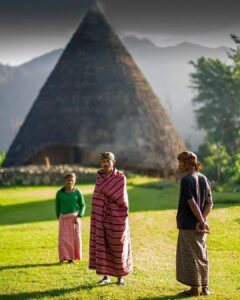
Wae Rebo is a remote traditional village in the highlands Manggarai of Flores, East Nusa Tenggara, Indonesia. Recognized by UNESCO,2012 as a cultural heritage site, Perched about 1,200 meters above sea level and often shrouded in mist, it is famously called “the village above the clouds. Wae Rebo preserves a unique way of life, traditional architecture, and rich local culture. The village is famous for its cone-shaped Mbaru Niang houses made from wood, bamboo, and palm fiber, arranged in a circular layout symbolizing community unity. The house has five levels, each level designated for a specific purpose. The first level, called lutur or tent, are the living quarters of the extended family. The second level, called lobo, or attic, is set aside to store food and goods, the third level called lentar is to store seeds for the next harvest, the fourth level called lempa rae is reserved for food stocks in case of draught, and the fifth and top level, called hekang kode, which is held most sacred, is to place offerings for the ancestors. Surrounded by lush mountains and misty valleys, Wae Rebo offers breathtaking natural scenery and a peaceful atmosphere. The local people belong to the Manggarai ethnic group and lead a simple, communal life rooted in farming, gardening, and mutual cooperation. Daily activities are closely tied to nature, and the community actively maintains ancestral traditions. They actively maintain their traditions, including ancestral rituals, harvest ceremonies, and welcoming ceremonies for visitors. Daily life reflects strong community bonds and armony with nature. Visiting Wae Rebo is more than sightseeing—it is an opportunity to experience authentic culture, meet warm local people, witness living traditions, and enjoy the stunning natural environment.
Journey to Waerebo Village
3-4 Hours Long drive Tour From Labuan bajo. Your journey takes you through scenic landscapes, including the lush Lembor rice fields, where vibrant green terraces stretch as far as the eye can see. Along the way, enjoy a unique opportunity to meet local people on the road, experiencing their warm hospitality and traditional way of life. Travel comfortably in our tour car as you wind through picturesque villages and winding mountain roads.
Local Shuttle Motorbike Trasnfer toTrek Point
Before starting the trek to Waerebo Village, visitors can take a motorbike shuttle from Denge Village to the trekking post. This short ride helps shorten the walking distance and saves time and energy before the hike begins.The motorbike ride takes around 20–25 minutes,passing through scenic rural roads, small rivers, and beautiful mountain views.
Trekking & Hiking Adventure
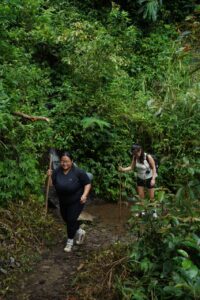
The trek to Waerebo Village begins from Denge Village and takes approximately 2–3 hours on foot for 7 stop break. The trail winds through dense tropical forest, crossing small rivers and gentle hills along the way. The path can be steep in some sections, but it is well-marked and surrounded by fresh mountain air and the sounds of nature.
Distance : 6 kilometers Elevation Gain: 750 meters (2,460 ft)
Max Altitude: 1,250 meters (4,100 ft) Duration: 1.5-2 hours
Difficulty: Easy / Moderate
Arrival at Village and Wellcome Ritual
Upon arrival at Waerebo Village, visitors are warmly received through a traditional welcome ritual known as the Waelu’u ceremony. This sacred ritual is led by the village elder inside the main traditional house, as a sign of respect to the ancestors and to ask for permission and blessings for the guests. During the ceremony, the elder offers prayers in the local Manggarai language while presenting betel nut and other symbolic items. The atmosphere is peaceful and respectful, giving visitors a meaningful cultural experience. This welcome ritual is an important tradition in Waerebo, reflecting the community’s strong respect for their heritage, customs, and ancestral spirits.
Accomodation – Shared Guest House Experience
Staying overnight in Waerebo Village offers a unique and authentic experience. Guests sleep together in a shared room inside one of the traditional Mbaru Niang houses, which also function as guest houses for visitors. The sleeping arrangement is communal, with simple mattresses, pillows, and blankets provided. Although the facilities are basic, the atmosphere is warm and comfortable. Inside the house, you will feel the cozy warmth from the central fireplace and the strong sense of togetherness among travelers and local families.This shared accommodation allows visitors to truly experience local living, embracing simplicity while enjoying meaningful cultural interaction.
A Shared Dining Experience
Dinner in Waerebo Village is a warm and memorable communal experience. Guests gather together inside the traditional Mbaru Niang house, sitting in a circle on the wooden floor to enjoy the meal. The food is usually simple, fresh, and home-cooked, often prepared by the local families using traditional methods. Meals commonly include rice, vegetables, eggs, chicken, or other local dishes. Although the menu is modest, the taste is authentic and comforting. Sharing dinner with other guests creates a friendly and intimate atmosphere. Conversations flow naturally as travelers exchange stories about their journey while enjoying the peaceful mountain setting. The warmth of the fireplace and the soft lighting inside the house make the evening feel cozy and special.
Nightlife in Waerebo Village
Spending the night in Waerebo Village offers a truly authentic local living experience. As the sun sets behind the mountains, the village becomes calm and peaceful, surrounded by cool mountain air and the soft sounds of nature. The traditional Mbaru Niang houses glow warmly from inside, creating a magical and intimate atmosphere. In the evening, visitors can visit local families inside their traditional houses, sit together around the fireplace, and share simple conversations. This is a special opportunity to learn about the history of Waerebo, the meaning behind the unique cone-shaped houses, and the daily life of the local community. The villagers often share stories about their ancestors, cultural traditions, farming activities, and their strong connection to nature. Around 10.00 o,clock evening, all public light generator will turn off chang to dark .Means this tiem all guest need go to sleep. At midnight you chance to see and enjoy beauty of Milkyway .
Dailly Local Living In Wae rebo Village
Life in Waerebo Village is simple, peaceful, and closely connected to nature. Most villagers work as farmers, and coffee farming is one of their main livelihoods. As coffee growers, they carefully plant, nurture, and harvest coffee beans on the surrounding mountain slopes. The cool climate and fertile soil create ideal conditions for producing high-quality local coffee. In the morning, you can see villagers walking to their gardens, carrying tools and baskets. During harvest season, families work together picking ripe red coffee cherries by hand. After harvesting, the beans are traditionally processed and dried under the sun before being roasted for daily consumption or sale. Besides coffee farming, the community also grows vegetables, sweet potatoes, and other crops for daily needs. Some villagers raise livestock such as chickens and pigs. Women often take care of household duties, prepare meals, weave traditional fabrics, and maintain the home, while elders share stories and preserve cultural traditions. Daily life in Waerebo reflects strong family values, cooperation, and respect for ancestral customs. The rhythm of life follows nature — sunrise marks the beginning of work, and sunset brings families back together inside the warm Mbaru Niang houses, where they gather, rest, and share stories.